
Review · LUXOR
Nile cruise between Luxor and Aswan: Sail the best temples in Egypt
The real draw here is the way Egypt’s great monuments arrive in a sensible sequence: royal tombs and temples around Luxor, then Edfu and Kom Ombo by boat, followed by Philae and Aswan. I like the balance of serious sightseeing and poolside Nile time, and I like that pickup in Luxor and drop-off in Aswan are built into the price. The main thing to watch is the early start and the optional extras, especially Abu Simbel and the Nubian village visit.
I also like the human touch. Mohamed Gaber, known as Moha, is associated with many departures and is praised for clear storytelling, humor, careful organization, and attention to practical needs such as currency and internet questions. Still, this is a compact five-day program, so you should expect busy sightseeing days rather than a slow, private cruise.
Key points to know before booking
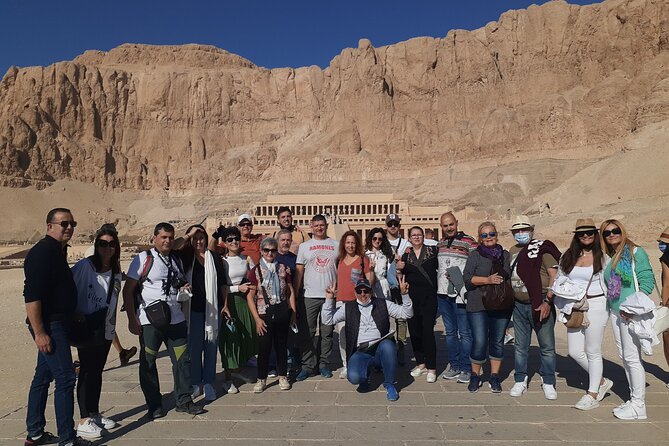
- Luxor gives you the strongest opening day: You visit the Valley of the Kings, Hatshepsut’s temple, Karnak, and Luxor Temple before sailing south.
- Four nights on the boat keep the trip simple: Your accommodation moves with you, while the Nile provides long stretches of rest between visits.
- Three tombs are included at the Valley of the Kings: You choose which three to enter, subject to the visit arrangements.
- Abu Simbel is optional but important: The tour describes it as a must, yet its admission is not listed among the included tickets.
- The price covers major basics: At $625 per person, you receive four nights, listed visits, entrance tickets, lunches, dinners, and transfers between Luxor and Aswan.
- The group can reach 30 people: That helps keep the price down, but it may feel less personal than a small private tour.
Why a Luxor to Aswan cruise works so well
A Nile cruise is useful because it joins the main ancient sites without making you repack every night. You board in Luxor, sleep on the ship, and wake farther south. That makes the trip feel like a moving base rather than a string of separate day tours.
The route also has a good rhythm. Luxor supplies the biggest concentration of ancient monuments. Edfu and Kom Ombo break up the sailing with compact temple visits. Aswan then changes the mood, with island scenery, a felucca ride, and the option to meet Nubian communities.
At $625 per person, the value depends on what you would otherwise pay for hotels, transport, entrance fees, meals, and a guide. Here, four nights aboard, the listed admissions, five lunches, four dinners, pickup in Luxor, and transfer in Aswan are included. Drinks and tips are extra, and optional outings need separate attention.
You should also read the schedule realistically. This is not five days of uninterrupted lounging beside the water. Day two is packed, and day four can begin with an optional Abu Simbel trip before continuing around Aswan. The pool and open deck give you downtime, but the monuments come first.
More felucca sails on the Nile around the world:
- Amazing Sunset sailing by Felucca in Luxor -2 Hours (Private)
★ 5.0 · 255 reviews - 4-Day Nile Cruise sails Aswan to Luxor&Abu Simbel.Hot air Balloon
★ 4.5 · 247 reviews - Felucca Sailing trip on the Nile in Cairo
★ 4.5 · 142 reviews
Day one in Luxor: settle in before the temples begin
Pickup is arranged in Luxor from an airport, train station, or hotel. The stated start time is 6:00 a.m., although the first day itself is described as free time after you board. Confirm the exact pickup hour and location when booking, since the listing allows you to specify where you should be collected.
Once aboard, you can settle into your room and begin taking meals according to the ship’s schedule. This first day is deliberately light. You can rest by the pool or explore Luxor independently rather than rushing straight into a formal sightseeing circuit.
That flexibility is useful if you arrive tired or have just come from Cairo. It also means the quality of your first day depends on your arrival time. If you reach Luxor late, the boat becomes a comfortable place to recover. If you arrive early, you have the chance to see more of the city on your own, though no additional guided visit is promised.
The meeting point is given as Luxor Temple in Luxor City, with pickup also available from your stated airport, station, or hotel. Make sure those arrangements are clear before departure.
Day two around Luxor: tombs, queens, and giant columns
The second day is the historical heart of the cruise. You begin at the Valley of the Kings, a royal burial area connected with many pharaohs of Egypt’s New Kingdom. The program includes entry to three tombs of your choice, giving you some control over the visit instead of assigning the same rooms to everyone.
Three tombs are enough to make the point, especially if you take time to notice the painted walls and the way the underground spaces were planned. The visit is scheduled for about two hours. Bring patience for the heat and the walking, since this is an archaeological site rather than a museum arranged for easy indoor viewing.
Next comes the Temple of Hatshepsut at Deir el Bahari. Its terraces rise against the cliffs, and the site tells a different story from the Valley of the Kings. Hatshepsut was one of Egypt’s most important female rulers, and the temple gives your guide a chance to explain both her reign and the way royal power was presented in stone.
The short stop at the Colossi of Memnon is only about 15 minutes. These two enormous statues represent Amenhotep III. This is a quick roadside-style visit, so treat it as a useful pause and photo stop, not a full temple tour.
After lunch, the program turns to Karnak Temple. Allow about two hours here. Karnak was built and expanded over more than 2,000 years by different pharaohs, so it feels less like one building and more like a vast collection of sacred spaces. The avenue of sphinxes, the avenue of rams, and the famous columned hall give your guide plenty to explain.
Luxor Temple follows for about an hour. Dedicated to Amun Ra, it was tied to royal power and religious ceremony. Seeing Karnak and Luxor Temple on the same day helps you understand how the sacred center of ancient Thebes was organized, even if the pace leaves little room for wandering alone.
The day ends with afternoon sailing between Luxor and Edfu. This is when the cruise earns its keep. You can sit beside the pool, watch the riverbanks pass, and let the monuments settle in your mind. After a full day under the sun, that quiet stretch is not filler. It is part of the appeal.
Day three at Edfu and Kom Ombo
Edfu Temple is one of the best-preserved temples in ancient Egypt, and its dedication to Horus gives the visit a clear focus. The scheduled two hours allow more time than the brief Colossi stop, so you can look closely at the reliefs and hear how the temple’s religious purpose fits into the wider story of Egyptian worship.
The next stop is Kom Ombo, planned for about an hour. Its unusual feature is the shared dedication to two gods, Sobek and Haroeris. That double focus makes it easy to remember, especially after the larger temple complexes around Luxor.
Day three is less crowded with major stops than day two, but it still depends on the ship’s movement and visit schedule. You will spend part of the day touring and part of it sailing. I consider that a good trade. Edfu and Kom Ombo are not just boxes to tick, and the cruise gives you a chance to see them without adding separate hotel transfers.
More sailing trips around the world:
- Malaga: Catamaran Sailing Trip with Sunset Option
★ 4.4 · 8,613 reviews - Oslo: Oslo Fjord Sightseeing Cruise by Sailing Ship
★ 4.5 · 5,790 reviews - Valencia: Sailing Catamaran Cruise with Sunset Option and DJ
★ 4.1 · 4,270 reviews - Lloret de Mar: Catamaran Sailing Cruise with BBQ and Drinks
★ 4.5 · 3,812 reviews
Day four in Aswan: Abu Simbel, Philae, and the Nile from a felucca
Abu Simbel is optional, but it is the most important extra to consider. The rock-cut temples were built during the reign of Ramses II and dedicated to Ramses II and his wife, Nefertari. The planned visit lasts about two hours.
The key practical point is that Abu Simbel is not listed as an included admission. Before you pay, ask exactly what the optional excursion costs and what transport arrangements apply. The schedule does not give a price, so you should not assume it is covered by the $625.
Afterward, the route includes Philae Temple, reached by boat because it sits on an island. Dedicated to Isis, Philae offers a different setting from the desert tombs and large inland temple grounds. The visit is scheduled for one hour, enough for a focused guided look but not a leisurely afternoon on the island.
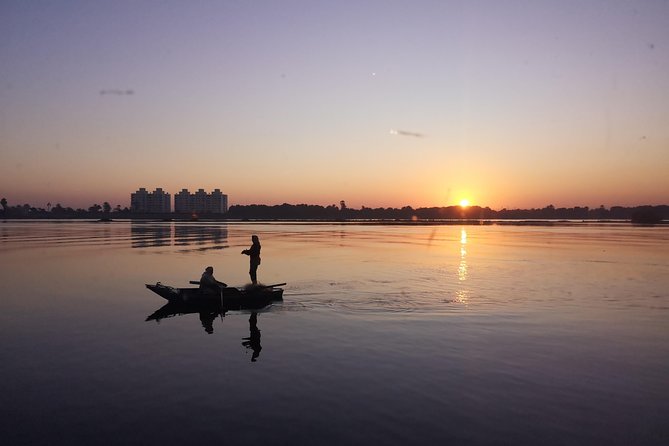
A felucca ride adds another change of pace. These traditional sailing boats let you see the Nile from low on the water, rather than from the larger cruise ship. The ride lasts about an hour and is included in the day’s planned activities, with no admission ticket listed.
The optional Nubian village excursion takes about three hours and is not included in the admission arrangements. It offers contact with Nubian communities and traditional ways of life, plus a place on the Nile where you can bathe if you choose. You should ask what transportation, village activities, and any entrance costs are included before deciding.
This is likely the fullest day of the trip if you add both Abu Simbel and the Nubian visit. If you prefer a less demanding schedule, keep one optional outing for another time. If your priority is seeing as much as possible, day four gives you the chance.
Day five in Aswan: an easy finish with flexible drop-off
After breakfast and checkout, you have free time in Aswan. The operator will take you to the hotel, airport, or station at the time and place you specify. That is handy if the cruise is one part of a larger Egypt itinerary.
The free time also prevents the trip from ending with another forced temple visit. You can use it to rest, explore on your own, or continue directly to your next connection. Since the exact departure time is not given, confirm it in advance if you have a train or flight to catch.
The guide can shape the whole experience
The guide is especially important on a Nile cruise because the sites are impressive but not always easy to read without context. Mohamed Gaber, often called Moha, is associated with many departures. His approach is described as clear, lively, organized, and sometimes theatrical, with explanations designed to keep a group involved rather than simply reciting dates.
That matters at Karnak and the Valley of the Kings, where a long list of rulers can blur together. A guide who explains the people, gods, symbols, and building phases can turn a wall of carvings into a story you can follow.
Moha is also praised for practical help, including questions about currency and internet access, and for creating a friendly group atmosphere. You should still confirm whether he will lead your specific departure, since guides can vary by date and group.
The maximum group size is 30. That is manageable for a major sightseeing route, but you should not expect the intimacy of a private guide. If you need a very quiet pace or extensive time at each monument, ask about a smaller option.
What the $625 includes, and what it leaves out
The strongest value comes from the number of essentials bundled together:
- Four nights of cruise accommodation
- All visits listed as included
- Entrance tickets for the Valley of the Kings, Hatshepsut’s temple, Karnak, Luxor Temple, Edfu, Kom Ombo, and Philae
- Pickup in Luxor
- Transfer in Aswan
- Five lunches
- Four dinners
Drinks are not included, and tips are not included. Abu Simbel is optional, and the Nubian village excursion is also optional with admission not included. Those extras can change the final cost, so build them into your budget before booking.
For the right person, $625 is a fair package price. You are paying for more than a room on a boat. You are buying a connected route, site admissions, meals, transfers, and a guide-led introduction to Egypt’s major Nile monuments. The value is weaker if you plan to skip the included visits or prefer arranging every day independently.
Comfort, pace, and practical limits
The boat gives you a pool and quiet spaces for sailing, which is useful after long temple visits. The itinerary makes good use of the river as travel time, so you are not sitting in a road vehicle between every stop.
Still, the schedule is active. Day two includes five major sightseeing stops before the afternoon cruise. Day four may combine Abu Simbel, Philae, a felucca ride, and the Nubian village. Wear practical shoes, protect yourself from the sun, and treat the pool time as recovery rather than a promise of a resort holiday.
Mobile tickets and booking confirmation are provided at the time of booking. Most people can take part, and the group maximum is 30. Cancellation is free if you cancel at least three full days before the local start time. Cancellations or changes inside that window are not accepted for a refund.
Who should book this Nile cruise
I would choose this cruise if you want the main Luxor to Aswan sights in one organized package, with accommodation and transport handled for you. It suits first-time visitors who want explanations at the temples and enough sailing time to avoid a road-heavy schedule.
It is also a good fit for families and groups who value a guide’s help with day-to-day questions. Moha’s reported style, with humor, clear explanations, and close attention to group needs, should appeal to people who want history presented in an approachable way.
I would hesitate if you want a private, slow-moving trip, dislike early starts, or plan to spend most of your holiday relaxing aboard ship. You should also price the optional Abu Simbel and Nubian visits before deciding, since they can add both cost and a demanding amount of activity.
Should you book it?
Book it if your priority is a well-organized first look at the Nile’s major temples, with four nights on a cruise and the basic admissions, meals, and transfers already arranged. The sequence from Luxor to Aswan is strong, and the mix of tombs, temples, sailing, and local river experiences gives you more than a simple monument checklist.
Before paying, confirm the boat, your pickup details, the guide for your departure, and the prices for Abu Simbel and the Nubian village. If those details suit your budget, this is a practical way to see ancient Egypt without arranging every transfer yourself.
FAQ
How long is the Nile cruise?
The experience lasts approximately five days and includes four nights of accommodation on the cruise boat.
Where does the cruise begin?
It begins in Luxor. Pickup is offered from a Luxor airport, train station, or hotel, and the stated meeting point is Luxor Temple in Luxor City.
Where does the cruise end?
The cruise ends in Aswan. After breakfast and checkout, transfer can be arranged to your chosen hotel, airport, or station in Aswan.
What meals are included?
The package includes five lunches and four dinners. Drinks are not included.
Are entrance tickets included?
Tickets are included for the listed visits to the Valley of the Kings, Temple of Hatshepsut, Karnak Temple, Luxor Temple, Edfu Temple, Kom Ombo Temple, and Philae Temple.
Is Abu Simbel included?
No. Abu Simbel is an optional excursion, and its admission is not listed among the included tickets. Confirm the extra price and arrangements before adding it.
Is the Nubian village visit included?
The Nubian village excursion is optional, lasts about three hours, and its admission is not included.
How large can the group be?
The activity has a maximum of 30 participants. Most people can take part.
New on the water around the world
- Windermere Yellow Cruise: Sail between Bowness and Lakeside★ 4.5 · 75 reviews
- Fethiye: Island Sailing Trip with Lunch and Hotel Pickup★ 4.6 · 52 reviews
- Fethiye Islands Sailing Cruise with Lunch★ 4.5 · 38 reviews
- Private Kekova Sailing Day Tours from Kas Marina★ 5.0 · 35 reviews
- Luxury Sailing Experience Day with Champagne and Lunch or Dinner★ 5.0 · 220 reviews
- Chill and Sail in Valencia★ 5.0 · 24 reviews
- Private Sailing Experience on Lake Windermere★ 5.0 · 213 reviews
- Windermere Red Cruise: Sail Between Bowness and Ambleside★ 4.5 · 142 reviews
Luxor Sailing Tours: the shortlist
Amazing Sunset sailing by Felucca in Luxor -2 Hours (Private)
Read our review of this sail →
Private Sailing Traditional Egyptian Boat in Luxor
Read our review of this sail →Lists this sail is on