
Review · WORLDWIDE
Dublin: Jeanie Johnston Tall Ship Irish Famine History Tour
The most moving part of the Jeanie Johnston tour comes below deck, where you see how up to 250 passengers lived during a long Atlantic crossing. The cramped quarters make the Irish famine more than a date in a textbook. You can picture families eating, waiting, worrying, and trying to sleep in filthy conditions with disease and starvation close at hand.
I like the tour for two clear reasons: the guides turn difficult history into personal stories, and the ship gives you a physical sense of the voyage that a standard museum cannot. Guides including Steve, Claire, Eoin, Katrina, and Owen have been praised for mixing humor, clarity, and care. The main drawback is access. You need comfortable shoes, and the tour is not recommended for people with limited mobility or wheelchair users.
Key points to know before you go
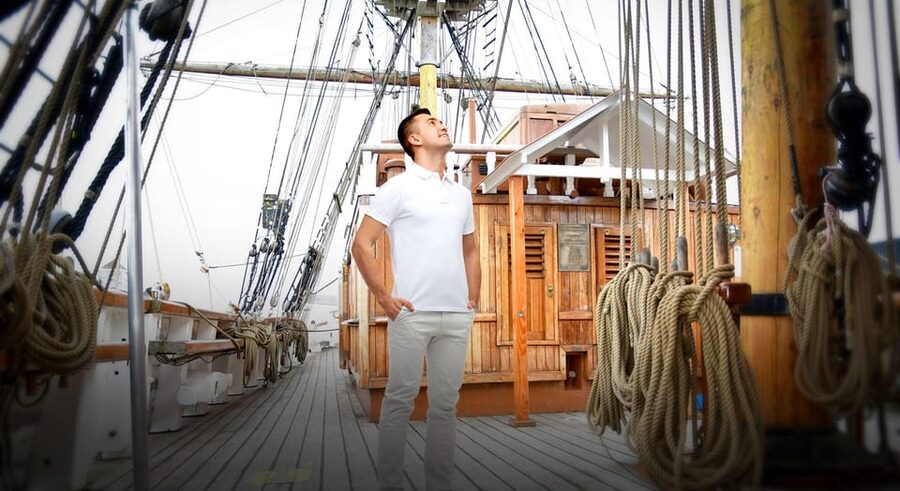
- A real shipboard setting: Walk the upper deck, see the masts, and explore the replica tall ship at Dublin’s North Dock.
- Personal stories, not just dates: Learn how passengers paid for their crossing, what they ate, and what awaited them abroad.
- A short but serious tour: The visit lasts about 50 minutes, with time above and below deck.
- A powerful family activity: Guides such as Claire and Katrina have kept children from ages 7 to 16 engaged.
- A remarkable survival detail: The original Jeanie Johnston completed 16 voyages to America without a death on board.
- Good value at $16: The ticket includes entry and the guided tour, making it a modest-cost way to add real historical weight to a Dublin day.
Why the Jeanie Johnston matters in Dublin
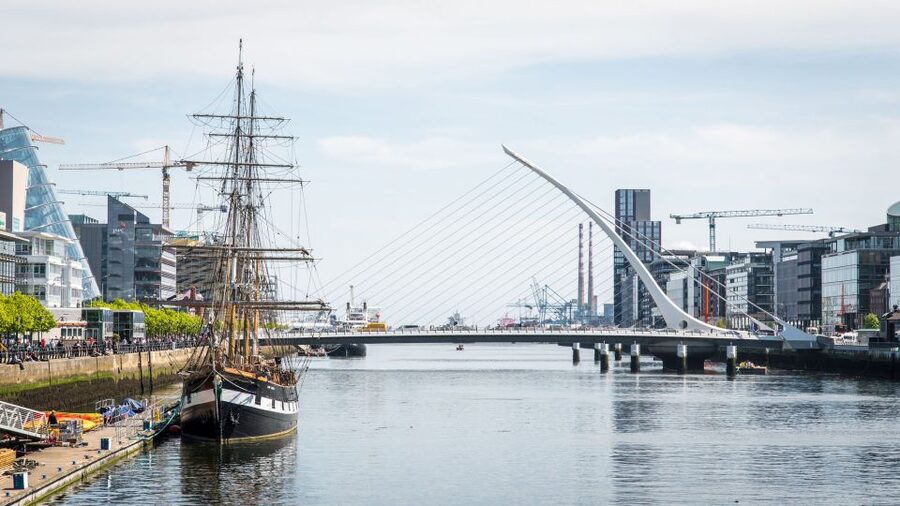
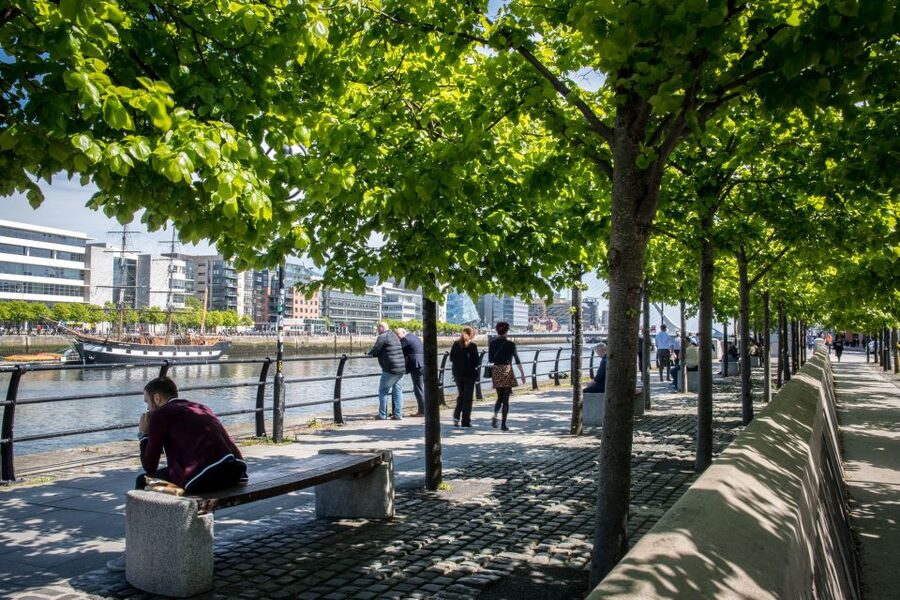
Dublin’s Docklands can feel modern and open, with offices, water, bridges, and busy quays. The Jeanie Johnston changes your view of the area. This tall ship recalls a time when the waterfront was tied to trade, emigration, and desperate choices.
During the famine years, about one million Irish people left Ireland. Some were escaping hunger, poverty, disease, and the loss of their homes. Around 2,500 passengers made the difficult crossing aboard the Jeanie Johnston over the course of its voyages.
The tour puts those numbers into human terms. You hear about individual passengers and crew, not just a large national tragedy. That matters because famine history can become abstract when it is reduced to statistics. On this ship, the size of the bunks, the low ceilings, and the limited room below deck help you understand the physical strain.
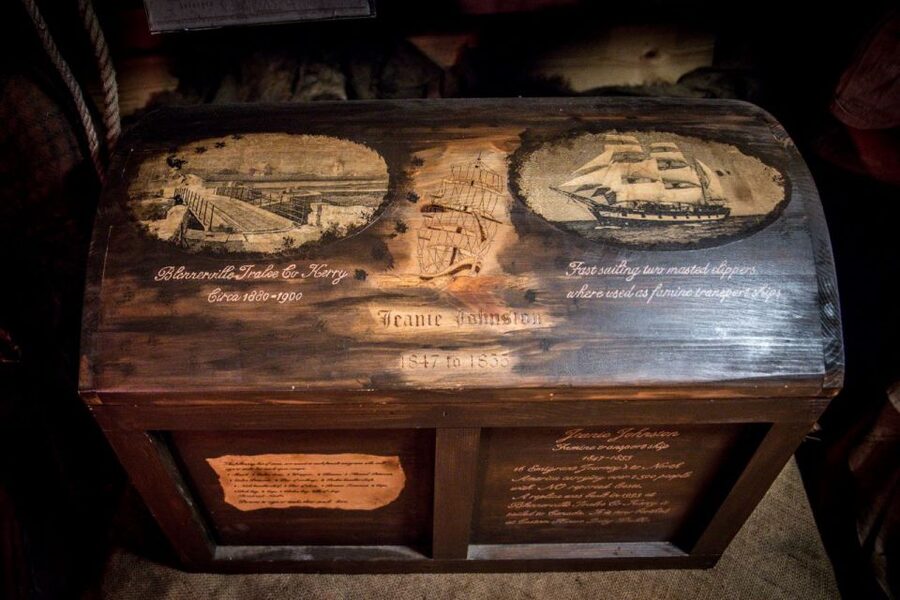
The Jeanie Johnston you visit is a replica of the original ship. The tour explains the original vessel, the shipping trade of the 19th century, and how this ship changed from carrying timber to carrying people. That career change tells you something about the period: ships served commerce, but they also became part of the mass movement of people from Ireland to America.
More Tall Ship Sailing in the world:
- Key West Schooner Sunset Sail with Bar & Hors d’oeuvres
★ 5.0 · 804 reviews - Toronto Tall Ship Boat Cruise
★ 4.5 · 676 reviews - Hilton Head Pirate Ship Adventure Sail aboard the Black Dagger
★ 5.0 · 668 reviews
Starting on the upper deck
The tour begins on the upper deck. This is the easier part physically and the best place to first appreciate the ship as a sailing vessel.
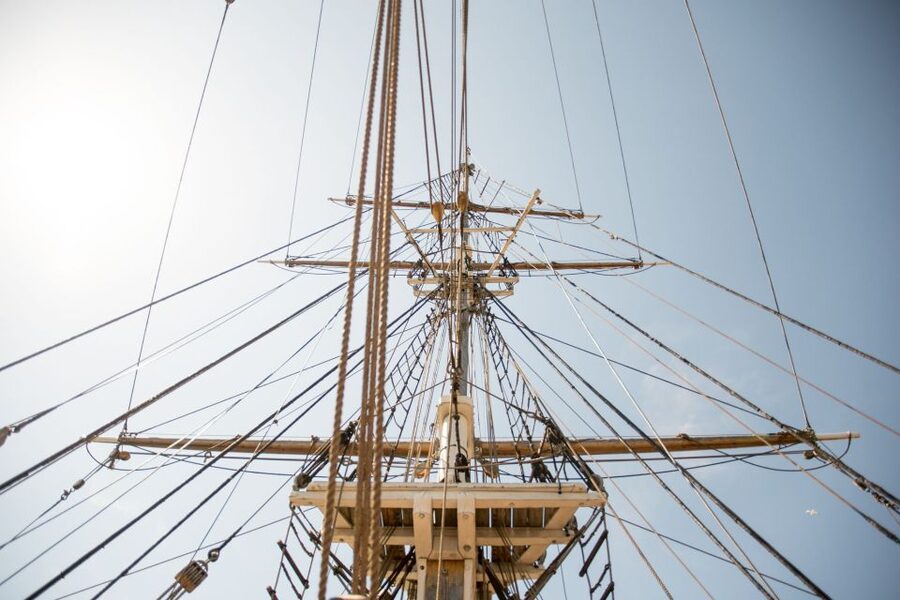
You’ll see the masts and the craftsmanship of the tall ship. From here, you can look out across Dublin’s Docklands and hear the gulls overhead. On a clear day, the setting gives you a useful sense of the ship’s relationship with the waterfront. You are not looking at a static object behind glass. You are standing on a vessel designed for long ocean crossings.
This part also gives your guide room to explain how tall ships worked and how the original Jeanie Johnston was built. The focus is not only on famine history. You also learn about the shipping trade and the practical role of the vessel.
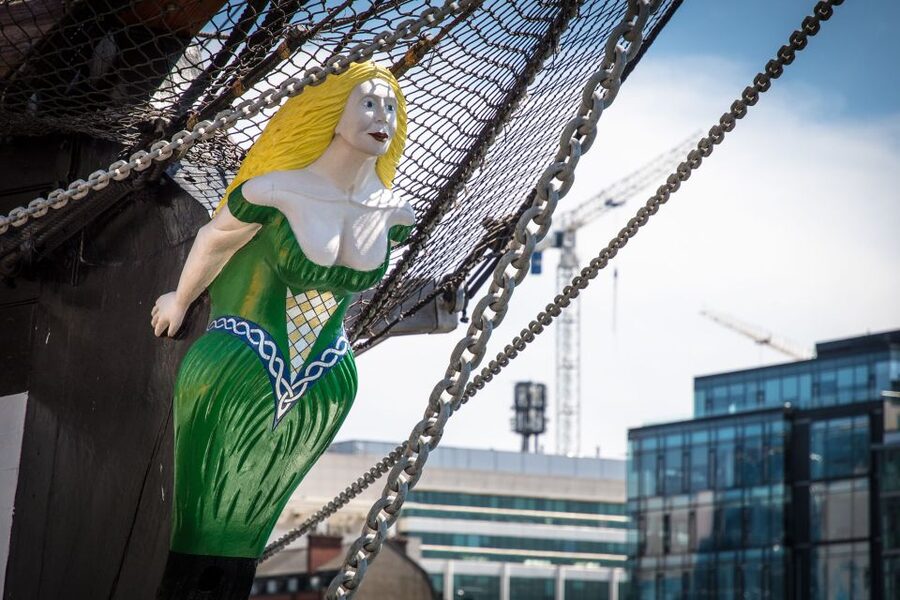
I like this opening because it gives you a little breathing space before the harder material below. You can take photographs here, including the familiar ship portrait that makes the Jeanie Johnston one of the most photographed attractions in the area.
Still, do not expect a long free period on deck. This is a guided visit, so your attention stays with the group and the guide’s explanation. If you want extensive time for photographs, you may need to take them quickly during the visit or enjoy the exterior before or after the tour.
Going below deck into cramped quarters
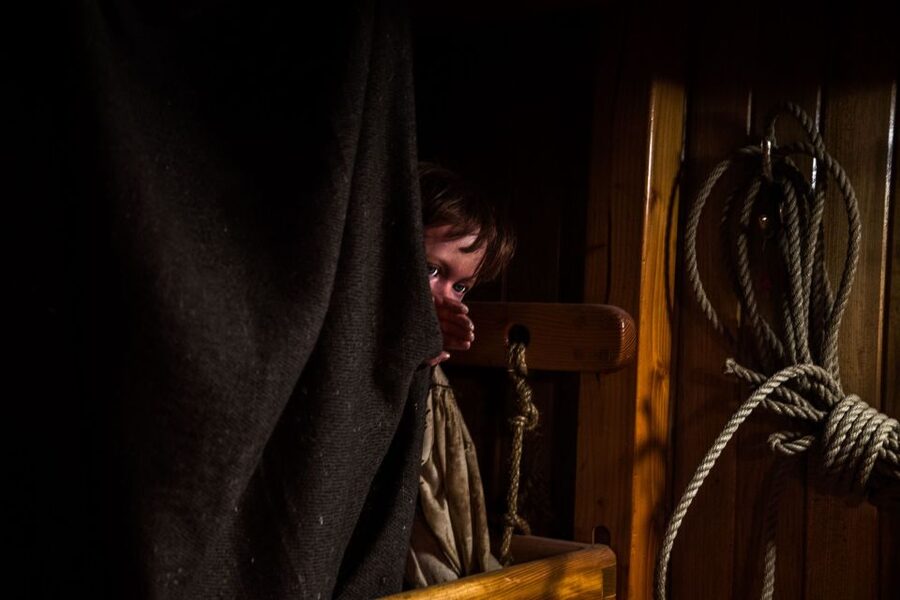
The emotional center of the tour is below deck. This is where you begin to understand what a famine voyage meant for ordinary passengers.
Up to 250 people spent most of their time in these cramped quarters. They were allowed only about half an hour of fresh air each day. The space is not presented as a comfortable cabin experience, and it should not be. You are asked to imagine the lack of privacy, the stale air, the limited room to move, and the pressure of spending weeks at sea.
The tour explains the risks passengers faced from disease, starvation, and disaster. Conditions could be filthy, and the crossing placed already vulnerable people under further strain. This is difficult material, but the guide’s storytelling gives it shape and purpose.
You will meet some of the passengers and crew through their stories. The tour also covers how people paid for their passage and what they ate during the crossing. Those details are especially useful because they show the voyage as a series of practical problems. Food, money, space, health, and time all mattered.
The ship also helps you understand class and circumstance without needing a long lecture. You are not simply hearing that passengers suffered. You are looking at the space where they lived and imagining how little control they had over their daily lives.
The lower deck may feel tight for some people. That is part of the point, but it is also a real consideration for anyone who dislikes confined spaces or has difficulty with stairs and uneven movement. Comfortable shoes are recommended, and the experience is not suitable for wheelchair users or people with limited mobility.
The human stories make the history work
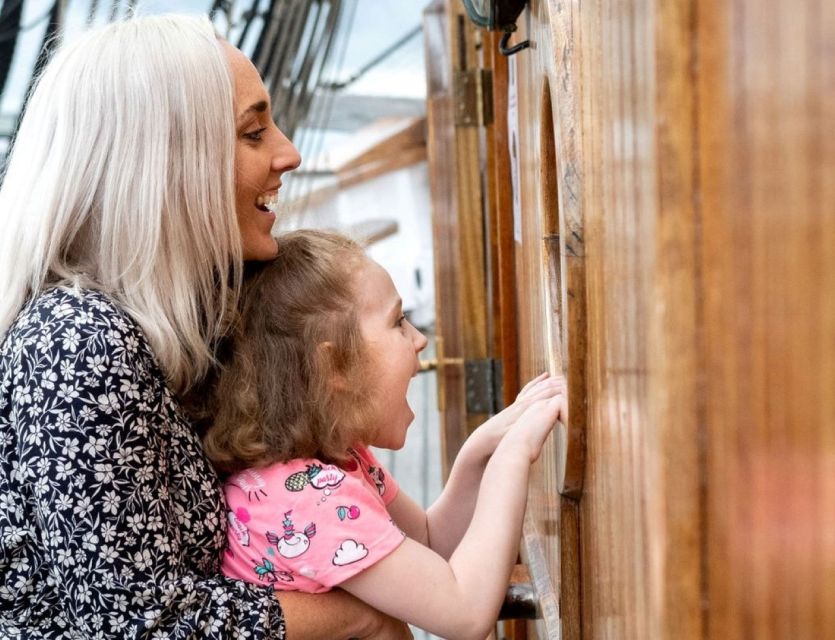
The strongest part of this tour is the quality of the guide. The ship provides the setting, but the storytelling gives the visit its emotional force.
Steve has been praised for making the subject clear and relatable, even for a family with children from ages 7 to 15. Claire has been described as funny, well informed, and able to answer questions from younger visitors. Katrina has involved children directly in the storytelling, which helped an 8-year-old stay interested throughout the tour.
Eoin, also spelled Eoin in the tour experience, has been appreciated for combining seriousness, humor, and wisdom. Owen has handled detailed questions with patience. Other guides, including Josh, Ronan, Catriona, Gearoid, and Rolland, have also received strong praise for making the hour engaging and easy to follow.
Guide names and schedules can change, of course, so do not book expecting one particular person. The useful point is that this tour relies on a live English-speaking guide rather than an audio device. You can listen, ask questions, and get a clearer explanation when a detail needs more context.
The best guides do not soften the famine, but they do make the subject accessible. That balance is important. Children can follow the personal stories without being handed a dry lecture, while adults get enough historical detail to understand why people left and how they paid for the crossing.
More history on the water around the world:
- Historical San Juan Bay Sunset Sailing Tour
★ 4.5 · 710 reviews - Lisbon Sunset Sailing with Portuguese Wine and History
★ 5.0 · 668 reviews - Private Morning Sail, Dolphin and History Tour on Mystique
★ 5.0 · 84 reviews - 2 hours – Private Sunset Sail along Historic Bay Front
★ 5.0 · 29 reviews
What happened during the crossing
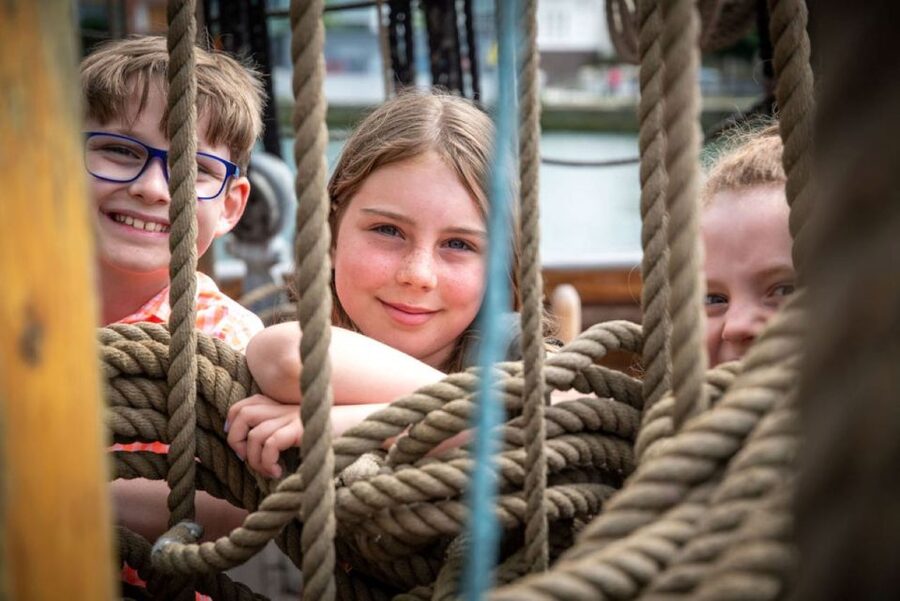
The tour asks you to imagine daily life at sea, but it also gives you specific subjects to consider.
You learn what passengers ate and how they spent their time. You hear about the crew and the people who shared the ship. You also learn what fates awaited passengers at their destination. The crossing was only one part of their ordeal. Reaching America did not erase the hunger, grief, or uncertainty that had driven them from Ireland.
One striking detail is that the original Jeanie Johnston completed 16 voyages to America without a death on board. That does not make the journey comfortable or safe in general. The conditions were still harsh, and many famine ships suffered terrible losses. But this detail gives the ship its own unusual place in the story.
It is also a good example of why the tour works better than a simple display of objects. You get the broader history of famine emigration, then return to the particular record of this ship and its passengers.
The tour does not turn the voyage into an adventure story. Its value comes from showing how ordinary people faced an extraordinary situation. The ship’s success at avoiding deaths is worth remembering, but it should be held beside the cramped space, poor conditions, and fear faced by those on board.
Is 50 minutes enough?
For $16 per person, the 50-minute length is one of the tour’s strengths. You get a focused visit that fits neatly into a day of sightseeing in Dublin.
The tour has enough time to cover the upper deck, the ship’s construction and earlier work, passenger conditions, food, payment, personal stories, and the eventual destinations of the emigrants. It does not try to cover every part of Irish famine history, and that is sensible. A short visit with a clear focus is easier to absorb than an overloaded lecture.
The time also suits families. One child described in the tour experience stayed engaged through the history, while another guide helped a child who was nervous about the mannequins on board. A 16-year-old was also kept interested, which suggests the presentation can work across a fairly broad age range.
You should arrive ready to listen rather than expecting a long, self-guided exploration. The ticket covers entrance and the guided tour, and the activity begins and ends at the ship on City Moorings, Custom House Quay, Dublin 1.
There is no hotel pickup or drop-off. Plan to reach the meeting point yourself, and check the available start times when booking. With free cancellation up to 24 hours in advance and an option to reserve now and pay later, you can fit it into a changing Dublin schedule with less risk.
The value at $16
At $16, this is a good-value Dublin attraction if you want history presented in a direct, physical way. The price is modest compared with longer guided activities, yet the visit gives you both a historic subject and a distinctive setting.
The value comes from three things. First, you are paying for a live guide who can explain the ship and answer questions. Second, you get access to areas that make the subject easier to understand, especially the lower deck. Third, the location adds a Docklands view without requiring a separate sightseeing outing.
It will not satisfy someone looking for a full museum visit, a lengthy lecture, or a broad survey of all Irish history. The tour is short and specific. It focuses on the Jeanie Johnston, famine emigration, the passenger experience, and the shipping trade connected to the vessel.
I would pair it with other Dublin sights rather than treat it as a half-day attraction. It works well when you want a meaningful stop near the Docklands, especially if your schedule has a spare hour and you prefer history tied to a real place.
Who should take this tour?
I would recommend it to first-time visitors who want to understand one important part of Ireland’s past without committing to a long museum visit. It also suits anyone with family ties to Ireland, since the personal accounts and emigration stories can give added meaning to the subject.
Families can take it too, provided everyone is comfortable with the serious material and the physical limitations of a ship. Guides have successfully kept children and teenagers involved, but the topic includes hunger, disease, death, and harsh living conditions.
This is a good choice for you if you enjoy:
- Historic ships and maritime stories
- Short guided visits with a clear theme
- Personal accounts rather than only dates and statistics
- Dublin’s Docklands
- History that is easier to understand through a real setting
You may want to skip it if stairs, confined areas, or limited mobility will make the visit uncomfortable. The ship is not suitable for wheelchair users, and the tour is not recommended for people with mobility impairments.
Small details that improve the visit
Wear comfortable shoes. You will be moving through a ship rather than a flat gallery, and good footwear will make the visit easier.
Give yourself enough time to reach City Moorings on Custom House Quay. The activity begins and ends at the Jeanie Johnston, with no hotel transfer included.
If you are visiting with children, prepare them for a serious subject. The guides can make the material understandable and even add humor, but the stories concern famine, disease, poverty, and forced hardship.
Do not judge the tour only by its 50-minute length. The short format means the guide has to keep a firm pace, but it also lets you fit the ship into a busy Dublin itinerary. If you want more time for photographs, look at the vessel from outside as well as taking the guided visit.
Should you book the Jeanie Johnston?
Book this tour if you want a concise, personal account of Irish famine emigration in a setting that makes the subject tangible. The strongest reasons are the lower-deck living quarters, the real passenger stories, and the guides’ ability to explain painful history with warmth and clarity.
At $16, it offers solid value, especially for families and visitors already exploring Dublin’s Docklands. Skip it only if limited mobility or confined shipboard spaces are likely to cause problems, or if you want a broad museum rather than a focused story.
For most visitors who can manage the physical setting, the Jeanie Johnston is an hour well spent. You leave with a clearer sense of why so many Irish people left, what the crossing demanded of them, and how much history can fit into one ship.
FAQ
Where does the Jeanie Johnston tour start?
The tour starts at the Jeanie Johnston Tallship, City Moorings, Custom House Quay, Dublin 1.
Where does the tour finish?
The activity ends back at the meeting point on the Jeanie Johnston.
How long does the tour last?
The guided tour lasts 50 minutes. Starting times depend on availability.
What language is the tour in?
The tour is conducted in English by a live guide.
What does the ticket include?
The ticket includes entrance and access to the guided tour of the Jeanie Johnston Tallship.
Is hotel pickup included?
No. Hotel pickup and drop-off are not included, so you need to make your own way to Custom House Quay.
What should I bring?
Bring comfortable shoes for moving around the ship.
Is the tour suitable for wheelchair users or people with limited mobility?
No. The tour is not suitable for wheelchair users and is not recommended for people with mobility impairments.
New on the water around the world
- Fethiye: Island Sailing Trip with Lunch and Hotel Pickup★ 4.6 · 52 reviews
- Fethiye Islands Sailing Cruise with Lunch★ 4.5 · 38 reviews
- Private Kekova Sailing Day Tours from Kas Marina★ 5.0 · 35 reviews
- Luxury Sailing Experience Day with Champagne and Lunch or Dinner★ 5.0 · 220 reviews
- Chill and Sail in Valencia★ 5.0 · 24 reviews
- Private Sailing Experience on Lake Windermere★ 5.0 · 213 reviews
- Windermere Red Cruise: Sail Between Bowness and Ambleside★ 4.5 · 142 reviews
- Windermere Yellow Cruise: Sail between Bowness and Lakeside★ 4.5 · 75 reviews
Tall Ship and Schooner Sailing: the shortlist
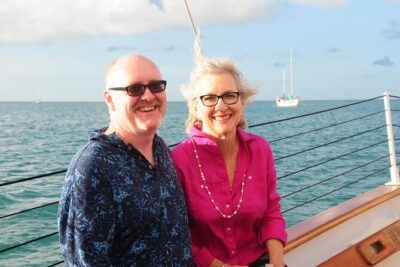
Key West Schooner Sunset Sail with Bar & Hors d’oeuvres
Read our review of this sail →
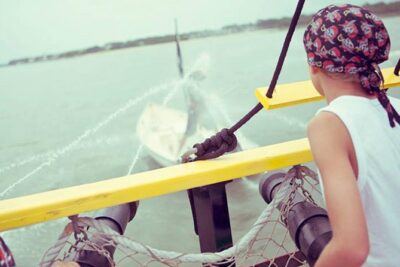
Hilton Head Pirate Ship Adventure Sail aboard the Black Dagger
Read our review of this sail →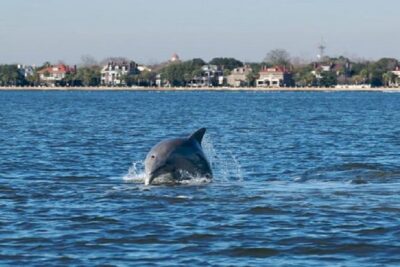
Afternoon Schooner Sightseeing Dolphin Cruise on Charleston Harbor
Read our review of this sail →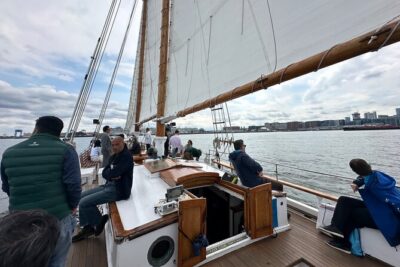
Classic Tall Ship Cruise in Boston Harbor
Read our review of this sail →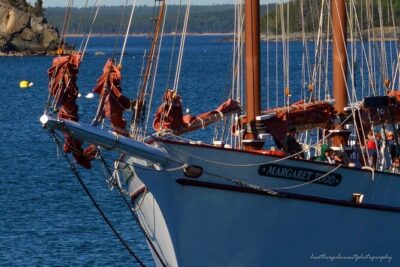
1.5 to 2-Hr Windjammer Sailing Trip in Maine w/ Licensed Captain
Read our review of this sail →
Sydney Harbour Tall Ship Twilight Dinner Cruise
Read our review of this sail →Lists this sail is on